Driveway Rules in Scotland – What Homeowners Need to Know

When planning a new driveway, one of the most common questions homeowners ask is about the driveway rules in Scotland. Whether you’re looking to create extra parking, improve access or enhance kerb appeal, it’s important to understand what permissions and drainage requirements apply before starting work.
The good news is that many driveways in Scotland can be installed without formal planning permission, but there are important conditions to meet.
Here’s what every homeowner should know before getting started.
Do You Need Planning Permission for a Driveway in Scotland?
In most cases, planning permission is not required for a driveway in Scotland if:
- The surface is permeable, allowing rainwater to soak through naturally
- Water is directed to a lawn, border or soakaway within your property
- You’re not altering the access point to a main road
However, planning permission may be required if:
- You’re using an impermeable surface such as standard tarmac or concrete
- Water could run off onto the pavement or public road
- The driveway connects to a classified road
- Your home is a listed building or in a conservation area
Local authorities manage these permissions individually, so it’s always best to check with them directly before work begins.
Dropped Kerbs and Vehicle Access
Even if planning permission isn’t needed, you’ll still require approval for a dropped kerb if you plan to drive over the pavement to access your driveway.
Each council has its own process, but generally you must:
- Apply to your local roads department
- Provide details of the proposed work and materials
- Pay an application fee
- Use a council-approved contractor for the kerb installation
In Glasgow, for example, dropped kerb applications are handled through the Glasgow City Council website.
Drainage and the Law
One of the most important driveway rules in Scotland concerns drainage.
In simple terms:
- Surface water must be managed within your property boundary
- Driveways should use Sustainable Urban Drainage Systems (SuDS) or permeable materials
- You cannot direct rainwater onto the public pavement, road or sewer without permission
If drainage is poorly designed, it can cause flooding, damage and even lead to fines. Working with a professional installer ensures your driveway meets every legal requirement and performs as it should.
Choosing the Right Surface
Choosing the right surface is key to meeting drainage rules and achieving a great finish.
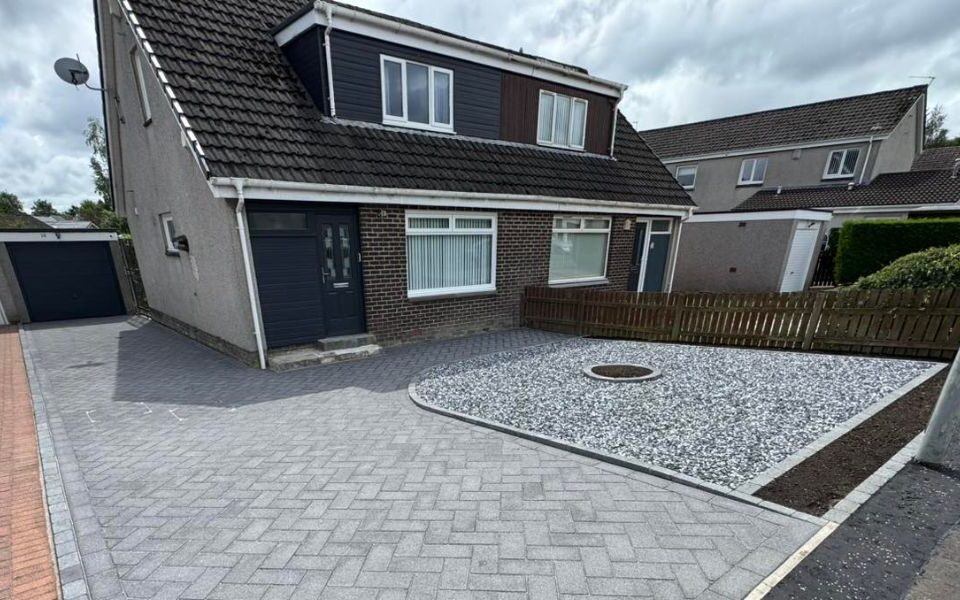
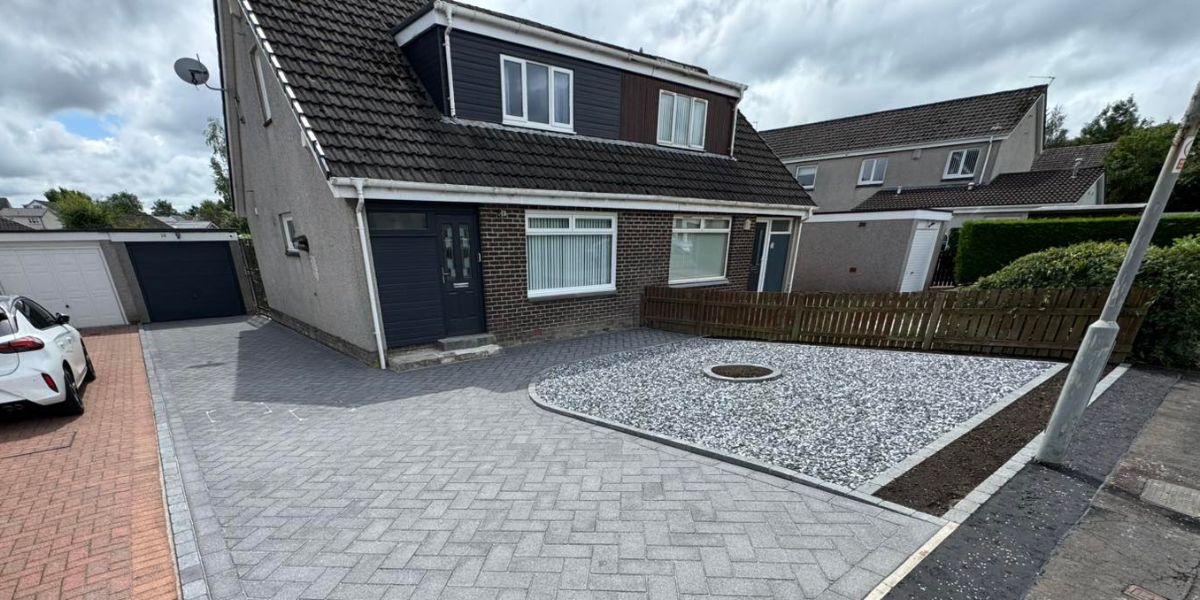
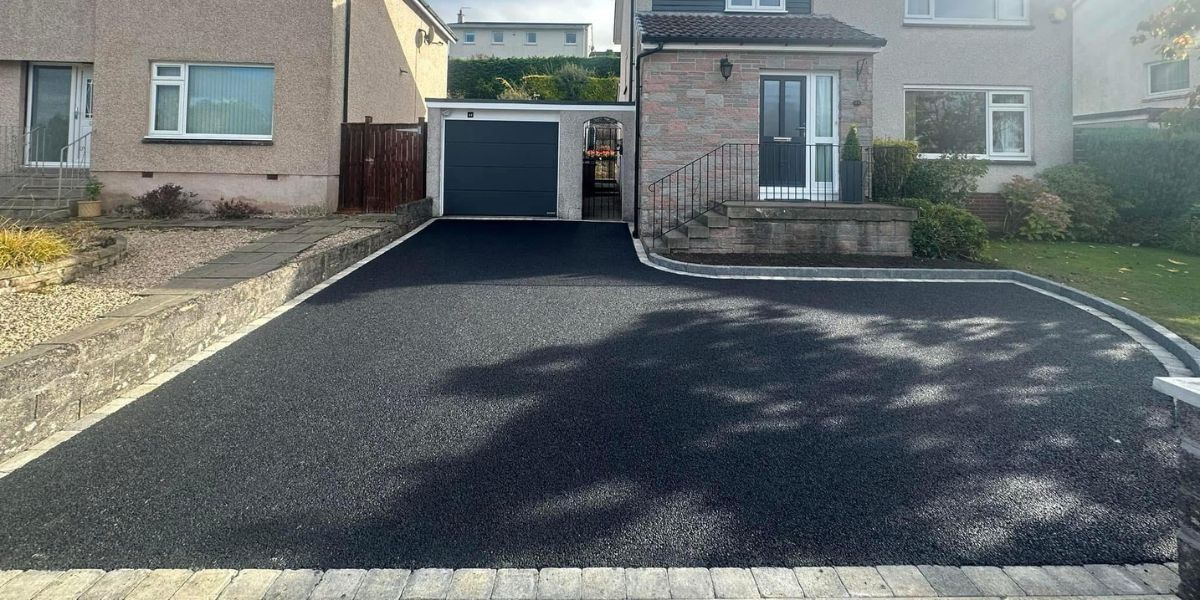
Permeable block paving, gravel or porous tarmac are excellent options that allow water to soak through naturally. These surfaces are not only compliant with regulations but also provide a professional, high-quality look.
If you’re unsure what’s best for your home, our team can recommend suitable materials that balance compliance, durability and design.
Why Work With a Professional Installer
Experienced and skilled installers may make installation may look straightforward, but this comes with years of developing their craft and honing their skills. Meeting Scotland’s drainage and planning standards requires experience and technical knowledge. Professional installers understand local regulations, ensuring your driveway looks good and performs properly for years to come.
At Neil Walker Driveways, we manage everything from planning and drainage design to installation and finishing touches. Our team is Marshalls and Tobermore Approved, and we’re proud to be award-winning installers serving Glasgow and surrounding areas.
With over 20 years of experience, no upfront payments and a 5-year workmanship warranty, you can trust us to deliver a compliant and long-lasting driveway installation.
Ready to Plan Your Driveway?
If you’re thinking about a new driveway, make sure it meets all driveway rules in Scotland. Our experts will guide you through every step, from drainage design to dropped kerb applications, ensuring your project runs smoothly from start to finish.
Get a Free Driveway Quote