How Drainage Protects Your Driveway Long-Term

When homeowners think about a new driveway, they usually focus on the surface. Block paving, tarmac, colour, pattern. However, what sits underneath matters just as much.
Drainage plays a huge role in how long a driveway lasts. Get it wrong and even the best materials will fail early. Get it right and your driveway stays solid, level and problem free for years.
This is why drainage should always be part of the conversation from day one.
Why Drainage Is Not Optional
Every driveway needs somewhere for water to go. If rainwater sits on the surface or soaks into the ground below without control, problems start to build.
Over time, poor drainage can lead to:
- Sinking or uneven areas
- Cracks forming in the surface
- Loose blocks or soft spots
- Frost damage during colder months
These issues rarely show up straight away. Instead, they develop slowly and often catch homeowners out a few years down the line.
Poor driveway drainage does not just affect the surface itself. It can also contribute to surface water runoff issues, which organisations like the Scottish Environment Protection Agency actively work to reduce.
What Happens When Drainage Is Done Poorly
Water is one of the biggest enemies of any driveway. When it cannot drain properly, it weakens the ground below the surface.
Common warning signs include:
- Puddles that never fully disappear
- Areas that feel soft underfoot
- Edges that start to drop or crumble
- Cracks appearing without heavy use
At that point, repairs often cost more than doing the job properly in the first place.
How Good Drainage Protects Your Driveway
A well designed driveway manages water before it becomes a problem. This usually involves a combination of surface choice, levels and groundwork.
Good drainage design often includes:
- Correct falls so water runs away naturally
- Permeable surfaces where suitable
- Drainage channels in problem areas
- A strong, well compacted sub-base
Each element works together to keep water moving and the structure stable.
Permeable Surfaces and Modern Driveways
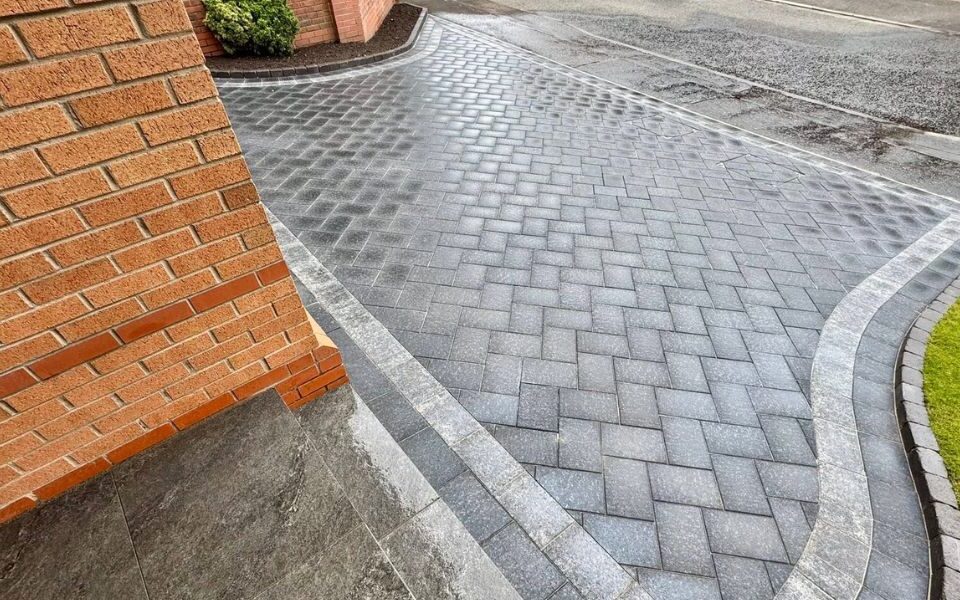
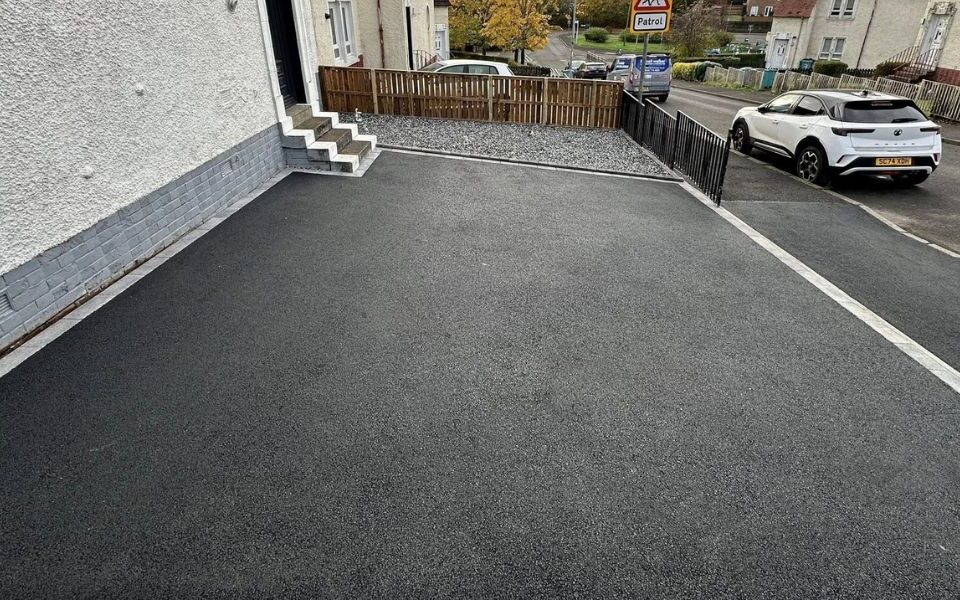
Permeable driveways allow water to pass through the surface instead of sitting on top. This reduces surface pooling and helps protect the base underneath.
For many homes, permeable options:
- Improve drainage performance
- Reduce the risk of standing water
- Support long-term durability
- Help meet local drainage expectations
They are not always the right choice for every property, but when used correctly, they can make a big difference.
Ground Preparation Makes the Difference
Drainage only works if the ground below is prepared properly. Without solid foundations, water will always find a way to cause damage.
Proper groundwork involves:
- Removing unsuitable material
- Installing a stable sub-base
- Compacting each layer correctly
- Allowing water to drain away safely
This stage is not visible once the driveway is finished, but it is often the reason one driveway lasts decades while another fails early.
Thinking Long-Term Saves Money
It can be tempting to focus on cost alone. However, saving money upfront by cutting corners on drainage usually leads to bigger bills later.
Good drainage helps:
- Reduce future repairs
- Prevent movement and cracking
- Protect the surface finish
- Extend the life of the driveway
In short, it keeps the driveway doing its job properly.
Getting the Basics Right
Understanding how drainage protects your driveway long-term makes it clear why experience matters. A driveway should not just look good on day one. It should still perform properly years later.
At Neil Walker Driveways, we treat drainage and groundwork as essential, not optional. With over 20 years of experience, no upfront payments and a 5-year workmanship warranty, we focus on building driveways that last, not quick fixes.