Do You Need a Dropped Kerb for a New Driveway in Scotland?
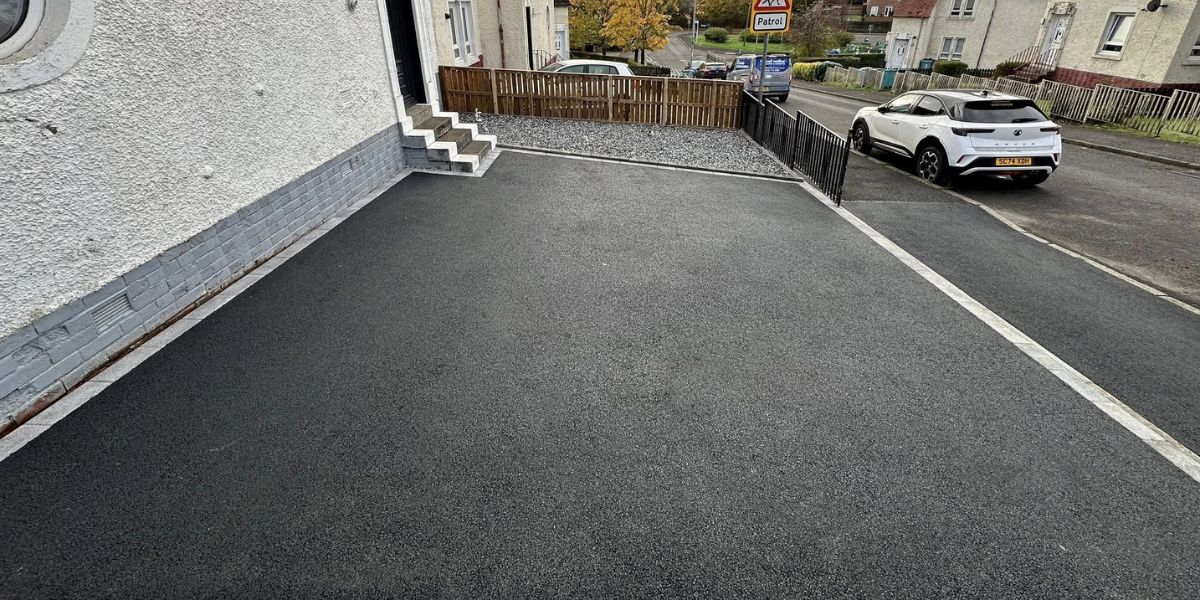
If you are planning a new driveway, it is easy to focus on the surface, layout and materials. However, access from the road matters just as much.
In many cases, homeowners also need to think about whether they need a dropped kerb. This is where the pavement or footway is altered to allow vehicles to move safely from the road onto the driveway.
When planning a dropped kerb driveway in Scotland, it is important to understand that the driveway itself and the access across the pavement may involve separate considerations.
What Is a Dropped Kerb?
A dropped kerb, often called a footway crossing, allows a vehicle to cross the pavement safely to reach a driveway.
Without a suitable crossing, the pavement may not be designed to carry regular vehicle weight. Over time, this can cause damage to the kerb, footway or surrounding area.
A proper dropped kerb helps create:
- Safer vehicle access
- A smoother entrance from the road
- Better protection for the pavement
- A more practical driveway layout
- A cleaner finish at the front of the property
It also helps define where vehicles should enter and leave the driveway.
Is a Dropped Kerb the Same as Planning Permission?
No. This is where many homeowners get confused.
Planning permission usually relates to the development of the property itself. For example, you may need to consider rules around hard surfaces, drainage, garden changes or access.
A dropped kerb relates to the pavement or footway outside your property. That area is usually controlled by your local council or roads authority.
This means a driveway may appear straightforward from a planning perspective, but the access across the pavement still needs to be checked.
If you are unsure about the wider rules, our guide on driveway planning permission in Scotland is a useful starting point.
Why Local Council Approval Matters
A pavement is not the same as a private driveway. It is part of the public road network, so homeowners should not assume they can alter it without permission.
Local councils have their own application processes and requirements. They may look at the position of the proposed crossing, visibility, road safety, pavement width and nearby street features.
They may also consider whether the driveway provides enough space for a vehicle to park fully off the road.
This is why it is important to check local requirements before work begins. Doing this early can prevent delays and help avoid costly changes later.
You’ll find your local guidance here:
Glasgow City Council – Apply for a Footway Crossing
North Lanarkshire Council – Planning Permission to Lower a Kerb
South Lanarkshire Council – Dropped Kerbs
East Dunbartonshire Council – Dropped Kerb
East Renfrewshire Council – Apply for a Dropped Kerb
Council guidance can change, so it is worth checking the latest information directly with your local authority before work begins.
What Can Affect Whether a Dropped Kerb Is Suitable?
Not every property will suit the same type of access.
The council or roads authority may consider practical factors such as:
- The width of the driveway entrance
- Visibility when entering or leaving the property
- Distance from junctions or bends
- Existing street furniture, trees or lighting columns
- Pavement layout
- Road safety
- Whether the vehicle can park without overhanging the pavement
These details matter because a driveway needs to work safely for drivers, pedestrians and other road users.
How Driveway Design Links to the Dropped Kerb
The dropped kerb should not be treated as a separate afterthought. It needs to work with the driveway layout.
For example, if the driveway entrance is too narrow, drivers may need to turn in at an awkward angle. If the internal layout does not provide enough parking space, the vehicle may sit too close to the pavement.
Good driveway planning should consider:
- Where vehicles will enter and leave
- How easy it is to park
- Whether doors can open safely
- How people will reach the front door
- Where water will drain
- Whether the driveway works with the existing levels
Our guide to driveway width explains how much space homeowners may need for practical parking.
Drainage Still Needs Careful Thought
A dropped kerb helps with access, but it does not remove the need for proper drainage.
When a front garden becomes a driveway, rainwater needs to be managed carefully. Poor drainage can lead to water running towards the pavement, road or house.
Depending on the property, the design may include:
- Permeable paving
- Drainage channels
- Suitable falls and levels
- Soakaway areas where appropriate
- Careful positioning of kerbs and edges
Our guide to permeable driveways explains how certain driveway surfaces can help manage rainwater more effectively.
Can You Build the Driveway First and Sort the Kerb Later?
It is usually better to check the dropped kerb requirements before finalising the driveway design.
If the council does not approve the access point you expected, the layout may need to change. This could affect the entrance width, parking position, drainage and overall design.
Planning everything together gives you a clearer idea of what is possible before work begins.
It also means the finished driveway can work properly from the road to the front door, rather than just within the boundary of the property.
Turning a Front Garden Into a Driveway
Dropped kerbs are often part of a wider project where homeowners want to turn part or all of a front garden into parking.
This can be a very practical improvement, especially where on-street parking is difficult. However, it needs careful planning.
You may need to think about:
- Access from the road
- Drainage
- Surface choice
- Parking space
- Boundary walls or fences
- Paths and pedestrian access
- How the finished driveway will look from the street
Our guide to turning your front garden into a driveway covers these points in more detail.
Planning a New Driveway?
A dropped kerb can be an important part of creating a safe and practical new driveway in Scotland. However, it should be considered alongside the full driveway design, not added as a final detail.
The best results come from planning the access, layout, drainage and surface together.
At Neil Walker Driveways, we design and install custom driveways across Glasgow and surrounding areas. Our team considers the practical details that help a driveway work properly, from the groundwork and drainage to the finished entrance and layout.
We do not ask for upfront payments and every installation includes a 5-year workmanship warranty.