Can You Fit Two Cars on Your Driveway?
Many homeowners reach a point where one parking space is no longer enough. A second car, a growing family, regular visitors or a work vehicle can quickly make the front of the house feel cramped.
That is when people start asking whether they can create a two car driveway.
The answer depends on more than the size of the space. A driveway needs to work in real life. Both cars should be easy to access, doors should open comfortably and people still need a safe route to the front door.
A Two Car Driveway Is About More Than Width
It is easy to focus only on measurements. However, a practical two car driveway is not just about whether two vehicles can technically fit.
You also need to think about how the space will be used every day.
For example, can both drivers get in and out without moving the other car? Can passengers open doors safely? Is there room to walk past the cars with shopping bags, school bags or bins?
Our guide to driveway width explains the space homeowners usually need. However, layout matters just as much as the final dimensions.
Side by Side Parking
Side by side parking is often the most convenient option. It allows both vehicles to come and go independently, which is useful for busy households.
However, it usually requires a wider driveway and enough space near the entrance.
This layout may work well if:
- The front garden is wide enough
- The existing entrance can be adapted
- The pavement and dropped kerb allow safe access
- There is still room for paths, steps or planting
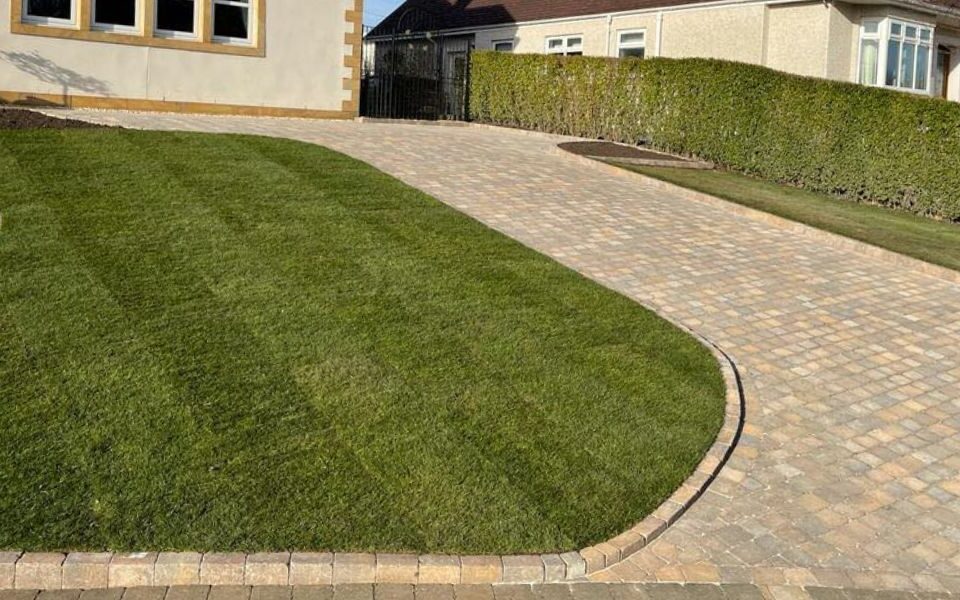
Side by side parking can also improve the look of the front of the property when it is properly designed. Clear edging, strong borders and balanced paving patterns can stop the space from looking like one large plain surface.
Parking One Car Behind the Other
Some properties do not have enough width for side by side parking. In those cases, a longer driveway may allow one car to park behind another.
This can work well for some households, especially when one car is used less often. However, it is not always convenient.
Before choosing this layout, think about:
- Whether one car will regularly block the other
- How often both cars leave at different times
- Whether there is enough length for both vehicles
- How close the parked cars will be to the pavement or garage
This type of layout needs honest planning. If it creates daily frustration, it may not be the best long-term solution.
Entrance Width and Access Matter
A two car driveway needs a safe and practical entrance.
If the opening is too narrow, drivers may need to approach the driveway at an awkward angle. This can make parking more difficult and increase the risk of clipping kerbs, walls or planted areas.
In some cases, the entrance may need to be widened. However, this can involve boundary changes or dropped kerb considerations, depending on the property and local council requirements.
That is why driveway planning should look at the full approach, not just the parking area itself.
Remember Doors, Paths and Daily Movement
A driveway should make life easier, not create a new obstacle outside your home.
When planning space for two cars, it helps to consider the way people move around the property.
You may need room for:
- Opening car doors comfortably
- Walking to the front door
- Moving bins in and out
- Carrying shopping
- Accessing side gates or garages
- Getting children or passengers in and out safely
These practical details often make the difference between a driveway that looks good on paper and one that works well every day.
Can You Extend an Existing Driveway?
If you already have a driveway, you may be able to extend it to create room for a second car.
This often involves removing part of the lawn, redesigning the entrance or creating a wider paved area. However, the existing surface, drainage and ground conditions all need to be assessed first.
Sometimes an extension works well. In other cases, a full redesign may create a better result, especially if the current driveway is older or poorly laid out.
Trying to add extra space without considering drainage, levels and access can cause problems later.
The Right Surface Can Help the Layout Work
Material choice also affects how a two car driveway looks and performs.
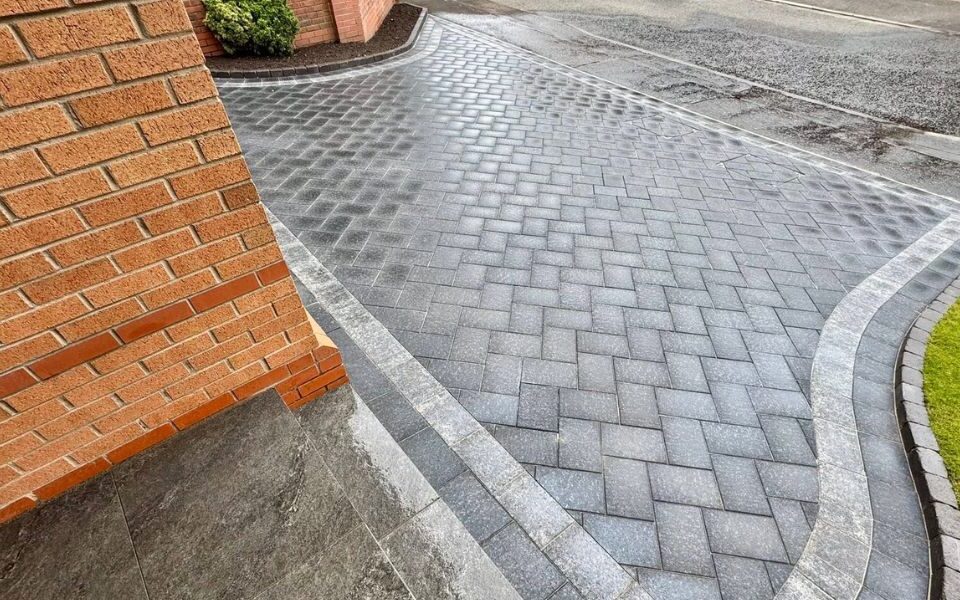
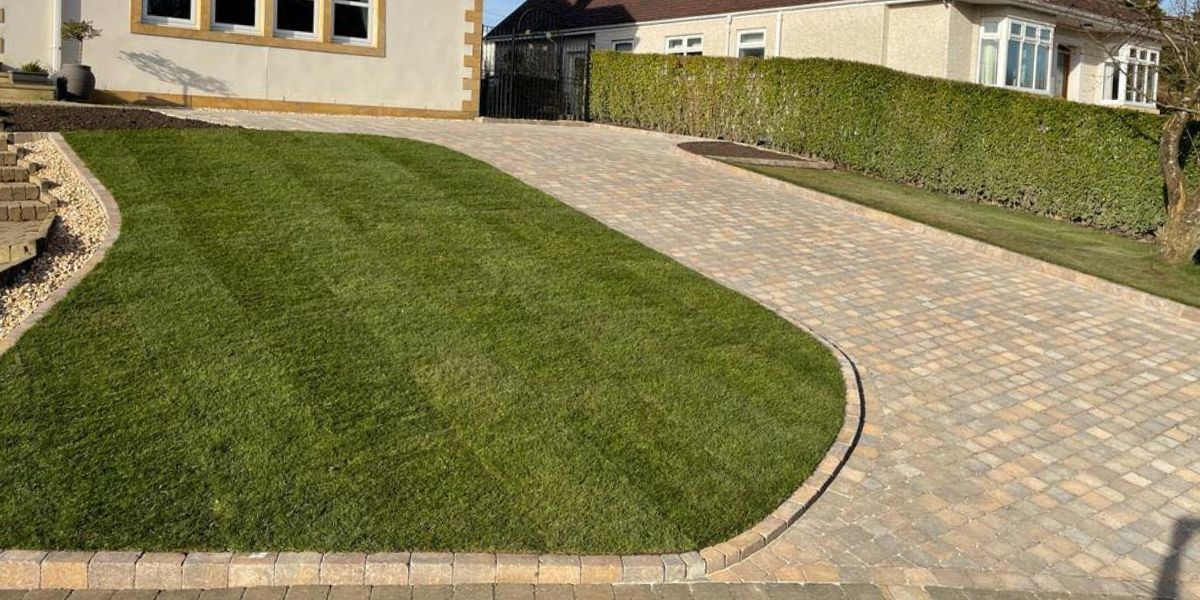
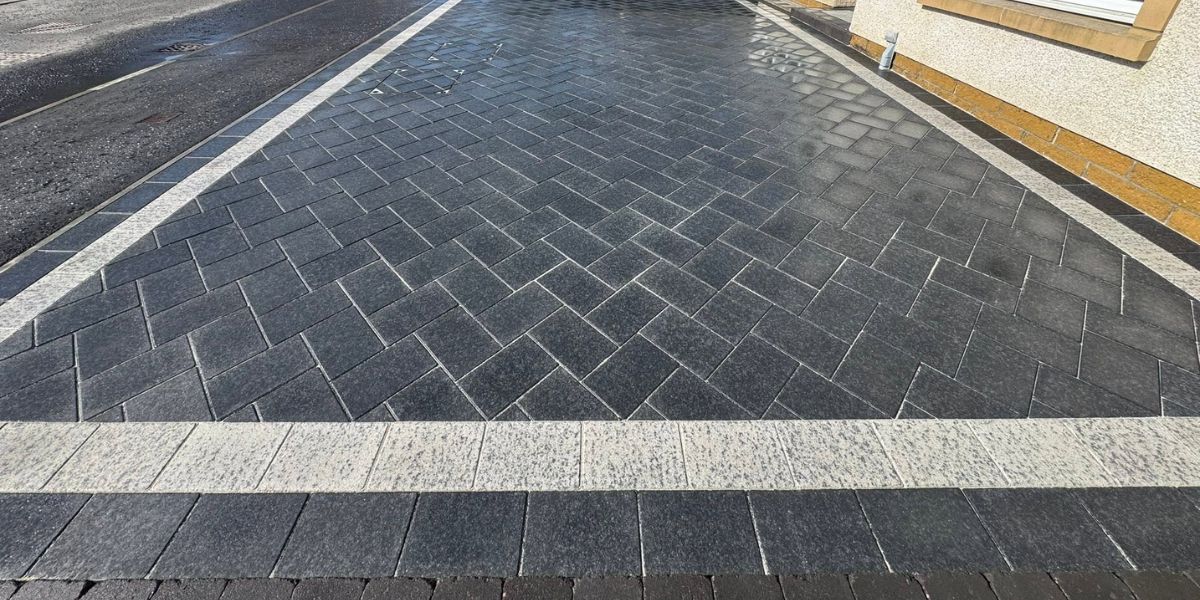
Block paving can help define parking spaces through patterns, borders and colour contrast. This can be useful when creating a wider driveway, as it stops the area from feeling too plain.
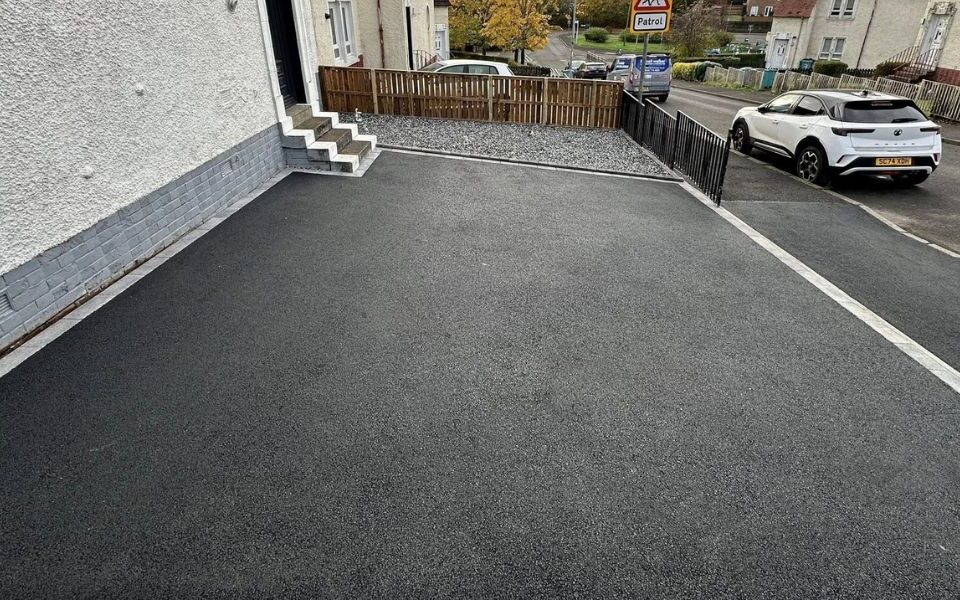
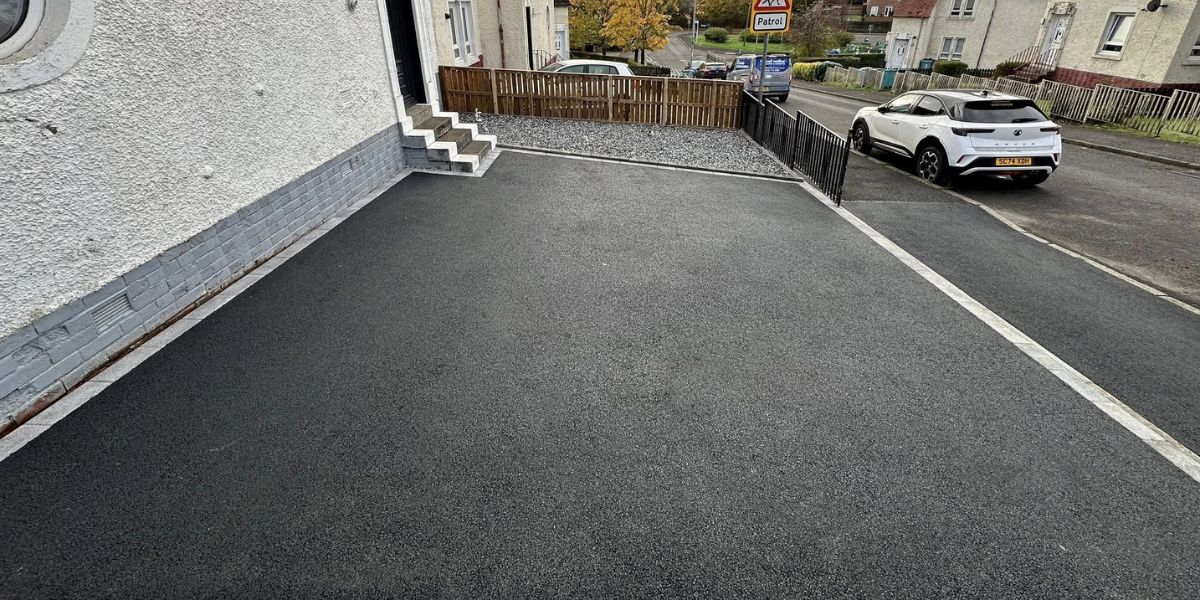
Tarmac can provide a clean, practical surface for larger spaces. It can also be combined with block paving borders to add shape and definition.
Permeable paving may be suitable where drainage needs careful consideration. This can be especially important when replacing garden space with a larger driveway.
The best option depends on the property, the layout and how the driveway will be used.
Future-Proofing Your Driveway
It is worth thinking beyond what you need right now.
A driveway that works for one car today may feel too small in a few years. Teenagers learning to drive, larger vehicles, work vans, visitors or electric vehicle charging can all change what you need from the space.
Good planning helps you avoid having to revisit the same problem later.
A future-proofed driveway may include:
- Space for an additional car
- A wider or easier entrance
- Better pedestrian access
- Room for bins, bikes or deliveries
- A layout that supports future landscaping
Even small design decisions can make the driveway easier to live with over time.
Planning a Two Car Driveway
Creating a two car driveway is not simply about fitting more paving into the front of your home. It is about designing a space that works safely, practically and visually.
The best layout will depend on your property, vehicle sizes, entrance position, ground conditions and how your household uses the space every day.
At Neil Walker Driveways, we design and install custom driveways across Glasgow and surrounding areas. Our team considers the full layout, from groundwork and drainage to borders, access and the finished appearance.
We do not ask for upfront payments and every installation includes a 5-year workmanship warranty.