EV Driveway Planning: What Homeowners Should Consider
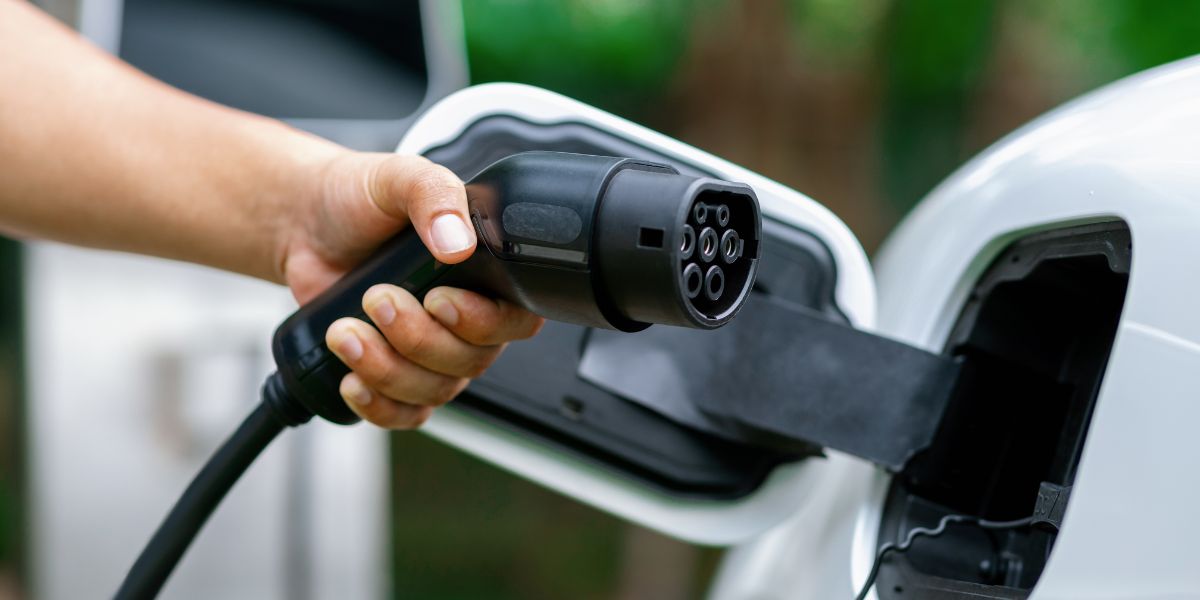
Electric vehicles are changing the way many homeowners think about their driveways. It is no longer just about creating a space to park the car. For EV owners, the driveway also needs to support charging, daily access and future vehicle use.
A well-planned EV driveway should feel practical now and still work well as your needs change. That means thinking carefully about parking position, cable routes, pedestrian access, drainage and the layout of the wider front of the property.
Whether you already own an electric vehicle or you are planning ahead, your driveway design can make day-to-day life much easier.
Start With Where the Car Will Park
The first thing to consider is where your EV will usually sit.
This sounds simple, but it has a big impact on the rest of the design. If the charging point is likely to be fitted near the house, garage or side wall, the driveway layout should make that space easy to use.
Think about:
- Which side of the vehicle the charging port is on
- How close the car will sit to the property
- Whether the car can park without blocking paths
- How easily doors can open
- Whether another vehicle may also need space
A driveway that technically fits the car may still feel awkward if the charging point, doors and walking routes have not been considered together.
Our guide to driveway width is a useful starting point when planning how much room you need.
Avoid Trailing Cables Across Walking Routes
One of the most important considerations for an EV driveway is cable safety.
If the charging cable needs to stretch across a path, entrance or main walking route, it can become awkward and potentially unsafe. This is especially important in wet, icy or dark conditions.
A good driveway design should reduce the need for cables to cross areas where people walk regularly. This may involve adjusting the parking position, creating a clearer route to the front door or allowing space for a future charging point in a better location.
The aim is simple: your EV should be easy to charge without making everyday access harder.
Think About Two Car Households
Many EV owners still have more than one vehicle at home. Some households have one electric car and one petrol or diesel car. Others may plan to move to two electric vehicles in the future.
If you are redesigning your driveway, it makes sense to think beyond the car you own today.
A two car layout should consider:
- Whether cars will park side by side or one behind the other
- Whether both vehicles can be accessed easily
- Whether one car will regularly block the other
- How charging might work if a second EV is added later
- Whether there is still space for bins, paths and visitors
Our guide on planning a two car driveway explores these layout decisions in more detail.
Allow for Future Charging Needs
Not every homeowner installing a driveway today owns an EV. However, many want a driveway that will not need changed again if they buy one later.
Future-proofing does not always mean installing a charger immediately. It can simply mean thinking ahead.
For example, the driveway layout could allow space for a charger near a wall, garage or side entrance. It may also influence where paths, edging and parking bays are positioned.
If electrical work may be added later, homeowners should speak to a qualified EV charger installer or electrician. From a driveway design perspective, the important point is to avoid creating a layout that makes future charging awkward or disruptive.
Drainage Still Matters
An EV driveway still needs proper drainage.
In Scotland, rainwater management should always be part of driveway planning. This becomes even more important when a front garden is being replaced with a larger parking area or when more of the surface becomes hardstanding.
Poor drainage can lead to standing water, slippery surfaces and long-term wear. It can also affect how comfortable the space feels during daily use.
Drainage planning may include:
- Suitable falls and levels
- Permeable paving where appropriate
- Drainage channels
- Carefully positioned kerbs and edging
- A layout that directs water away from the house
Our guide on how drainage protects your driveway long-term explains why water management should never be treated as an afterthought.
Surface Choice Should Suit Daily Use
The best surface for an EV driveway depends on the property, the layout and how the space will be used.
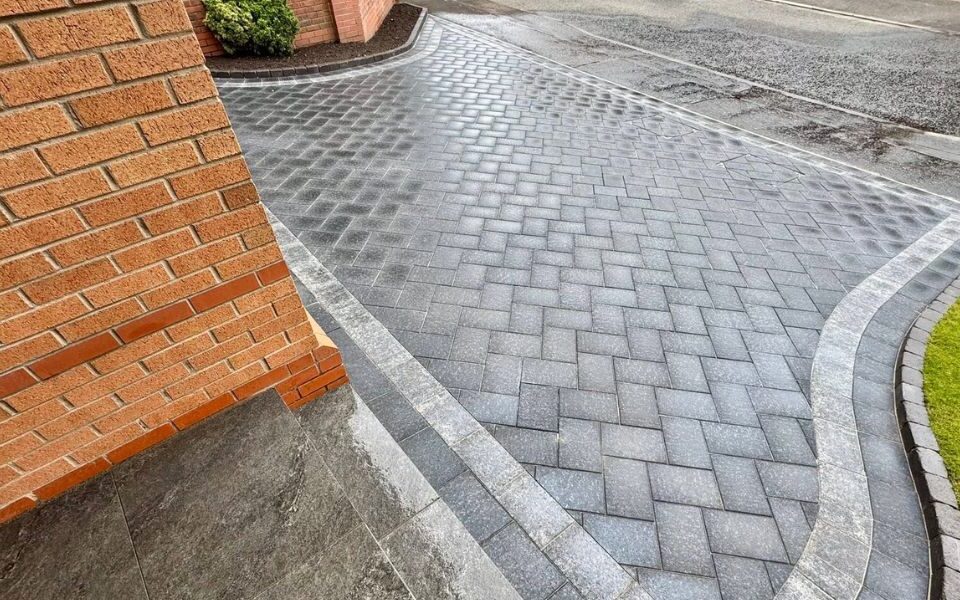
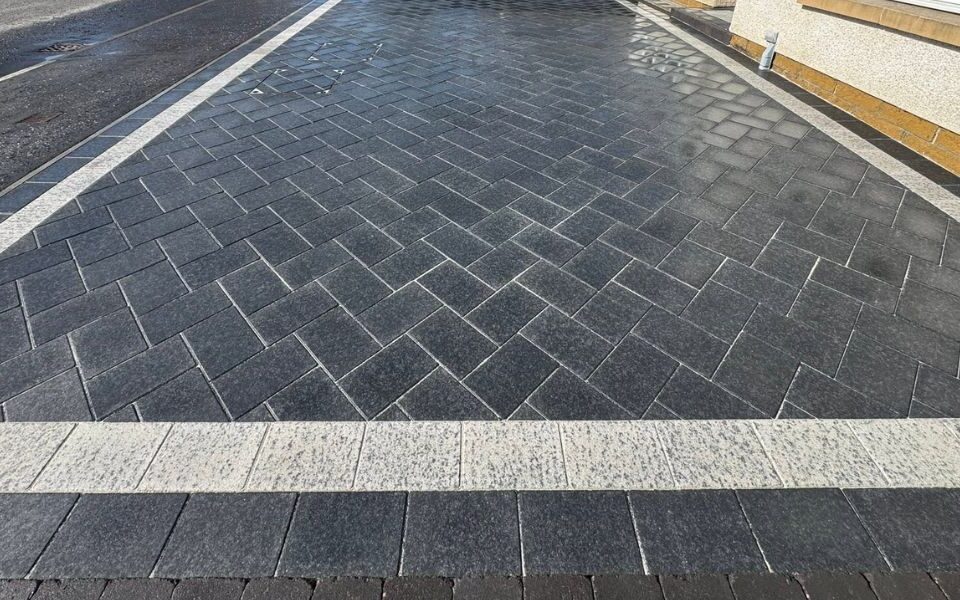
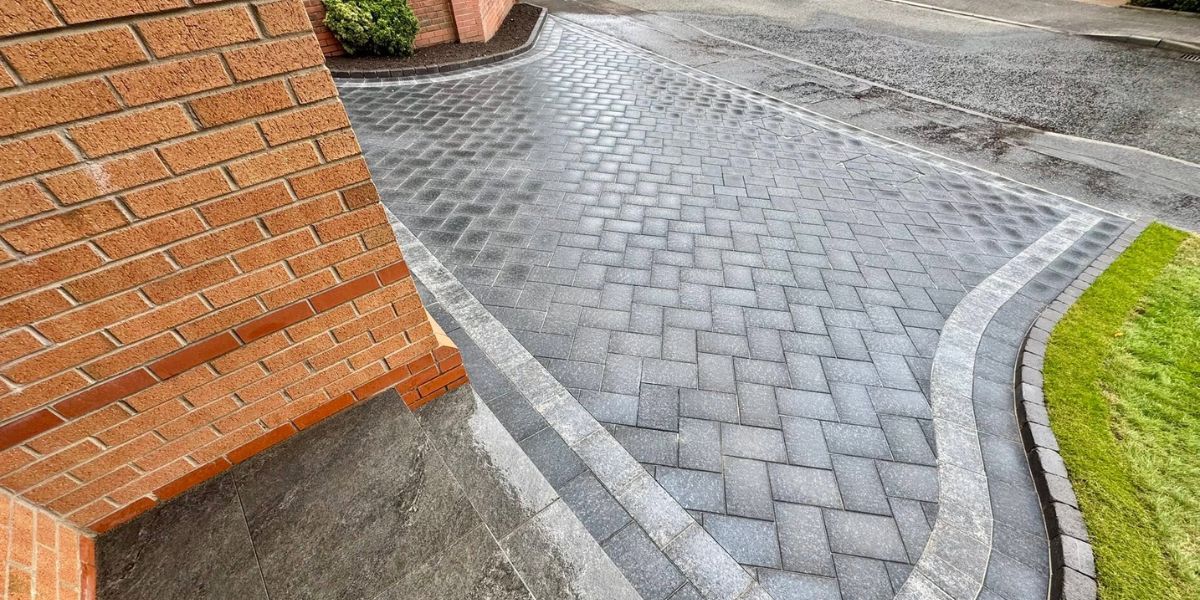
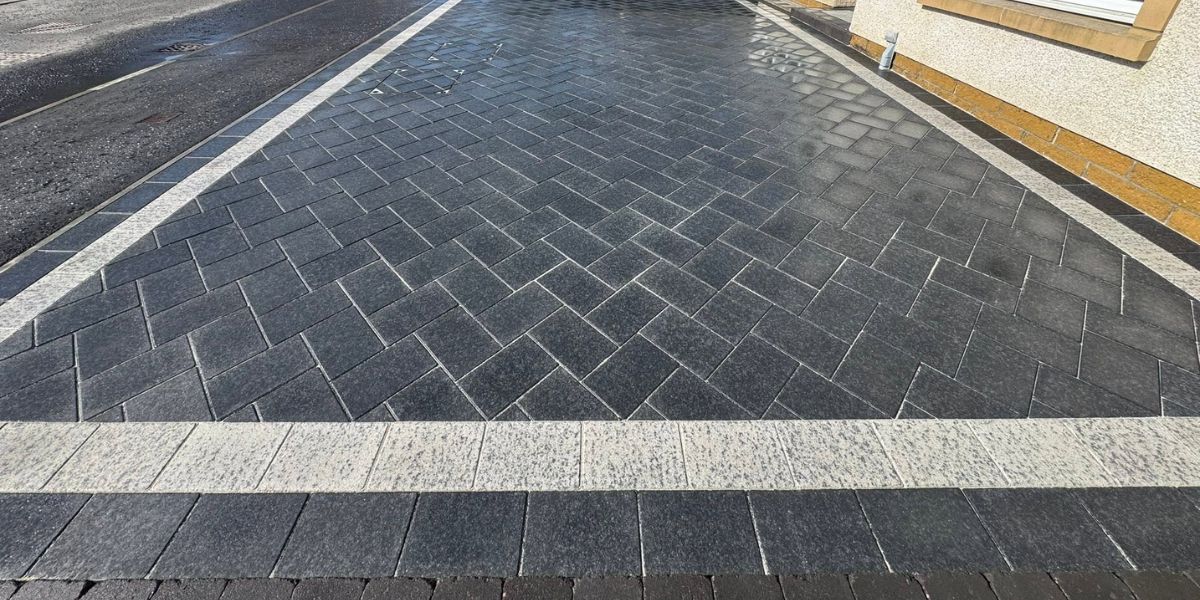
Block paving can create a smart, defined finish and can be useful for marking out parking areas. Borders and colour contrast can also help guide the eye and make larger spaces feel more designed.
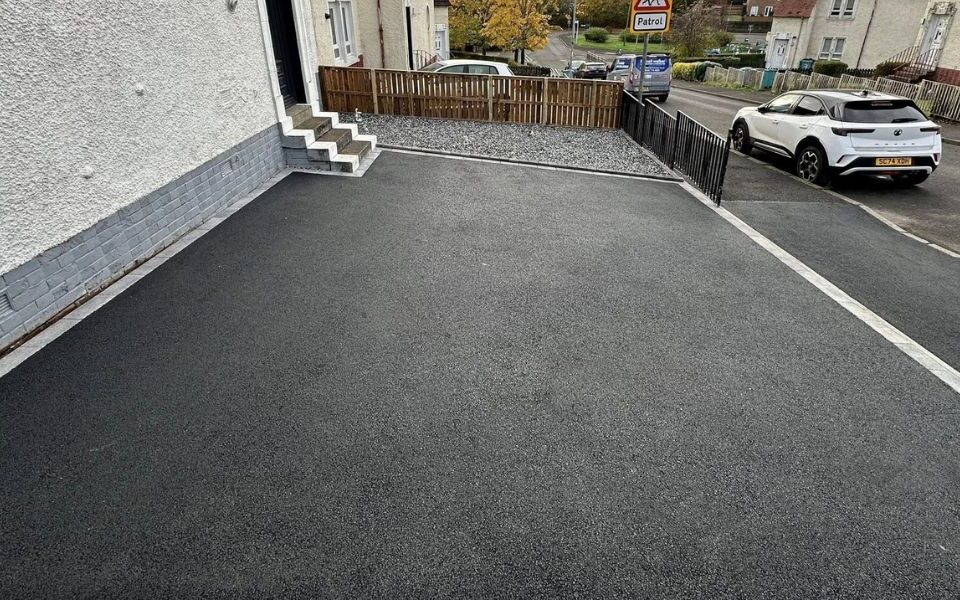
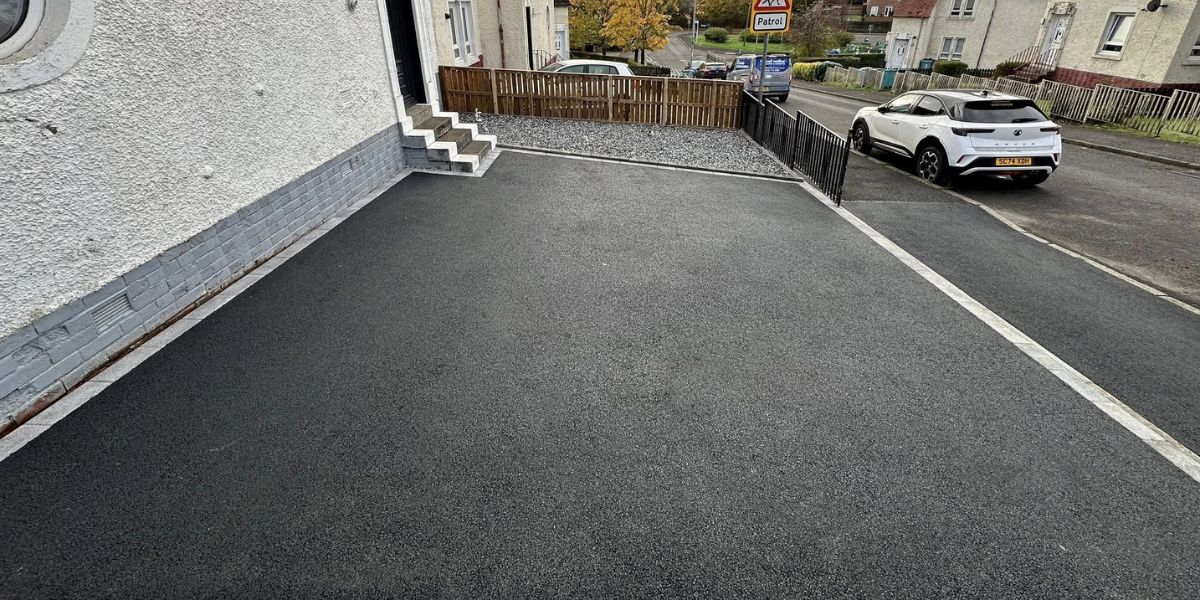
Tarmac can work well for clean, practical parking areas, especially when combined with block paving borders or edging for definition.
Permeable paving may be worth considering where drainage is a key part of the design. This can be useful when creating a larger hard surface at the front of a property.
The right choice should balance appearance, maintenance, drainage and the way the driveway will be used every day.
Do Not Forget Access to the House
When planning around cars and chargers, it is easy to forget the people using the space.
A driveway still needs to provide safe and comfortable access to the front door, side gate, bins or garage. If the EV is parked close to the house, there should still be enough room to walk past without squeezing between the car and the wall.
This is particularly important for families, older homeowners and anyone carrying shopping, work equipment or children’s bags.
A practical driveway should support the household, not just the vehicle.
Planning an EV-Friendly Driveway
An EV driveway is not just about where a charger might go. It is about creating a driveway that works for modern car ownership, daily routines and future needs.
Good planning should consider parking position, cable routes, pedestrian access, drainage, surface choice and whether the layout may need to support more than one vehicle in the future.
At Neil Walker Driveways, we design and install custom driveways across Glasgow and surrounding areas. Our team considers how the space will work in real life, from groundwork and drainage to parking layout, edging and the finished appearance.
We do not ask for upfront payments and every installation includes a 5-year workmanship warranty.