What’s the Longest Lasting Driveway Material? A Guide for Homeowners

Choosing a Driveway That Stands the Test of Time
If you’re planning a new driveway, it’s only natural to wonder – what’s the longest lasting driveway material? After all, a driveway isn’t something you want to replace every few years. Choosing the right material means less maintenance, fewer repairs and a surface that stays looking smart for years to come.
In this guide, we’ll walk you through the most durable options available, what affects their lifespan and how to make the best long-term choice for your property.
Block paving and natural stone are strong options for homeowners prioritising durability. However, the longest lasting driveway material for your home also depends on the ground beneath it, drainage and daily vehicle use.
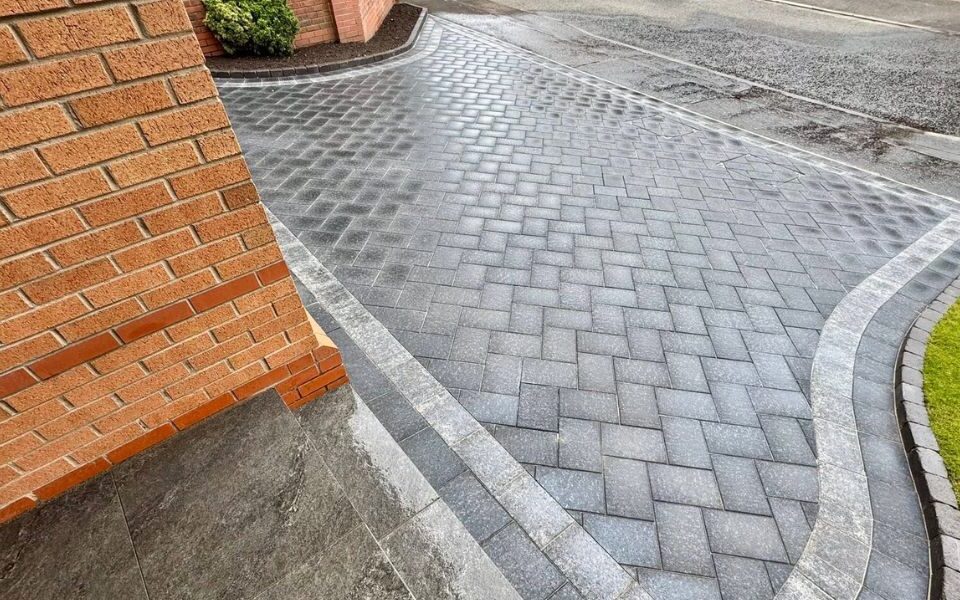
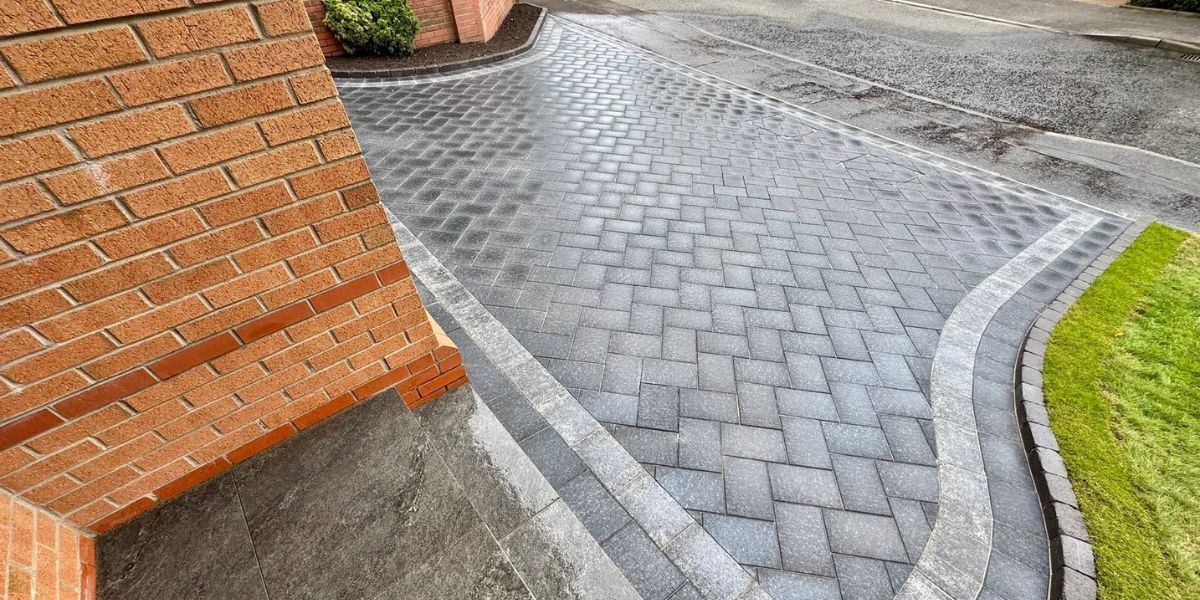
Block Paving – A Long-Lasting Favourite
Well-installed block paving is one of the longest lasting driveway materials available for homeowners who want durability and style. With proper groundwork, quality blocks and the right jointing, a block paving driveway can provide many years of service.
Why it lasts:
- Driveway blocks are designed to carry vehicle loads
- Individual damaged blocks can be replaced
- Areas can be lifted and relaid if repairs are needed underneath
- Suitable edge restraints help keep the paving in position
The ability to repair individual areas is a practical advantage of monoblock paving. However, if blocks begin to sink or move, the cause needs attention before they are relaid.
Why Groundwork Matters When Choosing the Longest Lasting Driveway Material
No matter which material you pick, poor groundwork is the quickest way to shorten a driveway’s life. At Neil Walker Driveways, we put as much focus into what’s underneath as what’s on the surface.
A long-lasting driveway needs:
- A good sub-base with the correct depth and compaction
- Good drainage to manage surface water
- Accurate levels and suitable support at the edges
The preparation should reflect the property’s ground conditions and the vehicles using the driveway. Soft ground or an older, unsuitable base may need additional work before the new surface goes down.
Effective driveway drainage also helps protect that preparation. Ask where rainwater will go and how the proposed design will manage it.
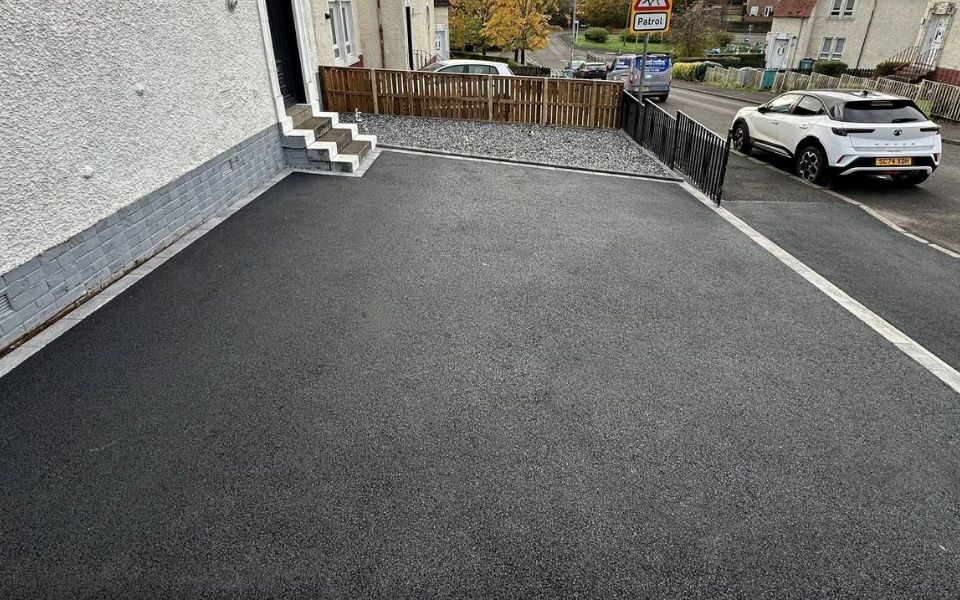
Tarmac – Simple and Strong
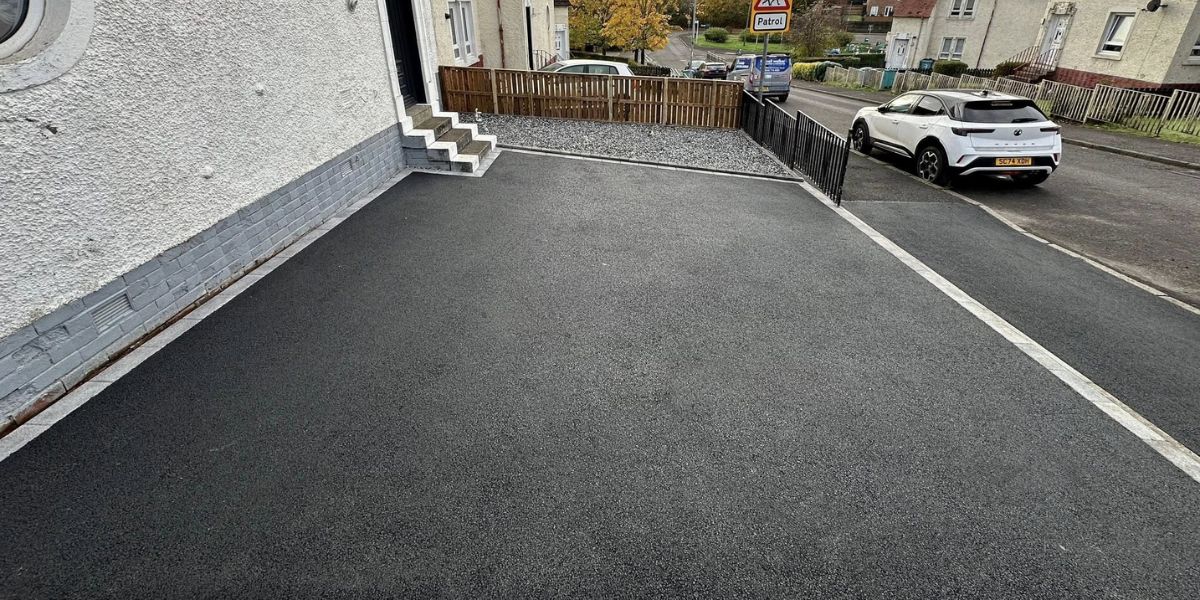
Tarmac might not be as decorative as block paving, but when it comes to value and longevity, it holds its own. It provides a smooth, practical surface and can suit larger driveways.
The lifespan of a tarmac driveway depends on its construction, drainage, use and maintenance. A fixed estimate cannot account for every property, so ask what specification the installer recommends for yours.
Tarmac can sometimes be resurfaced when it becomes worn. However, an installer should assess the existing base and any cracking or movement first. Adding a new surface will not resolve every underlying problem.
Other Durable Driveway Options
There are other long-life materials worth considering, depending on your needs.
Natural stone paving can provide a durable finish, although the stone, thickness and construction must suit vehicle use. A product intended for a patio may be unsuitable for a driveway.
Concrete can offer a strong surface. Its performance depends on appropriate preparation, thickness, joints and drainage. Repairing damaged areas may also leave a visible difference in the finish.
Resin-bound surfacing combines aggregate with resin. Its durability, colour stability and drainage performance depend on the specified product and the complete construction beneath it. Ask what the proposed system is designed to do.
Your choice depends on more than just lifespan. Think about how much maintenance you’re willing to do, the look you’re going for, and the shape of your outdoor space.
Will Your Driveway Suit the Vehicles Using It?
Tell your installer if you regularly park a van, motorhome or heavier vehicle on the driveway. Share any plans to change vehicles too.
The driveway’s construction needs to support those loads. Choosing a durable surface is only part of that decision. The base, paving specification or tarmac construction must also suit its intended use.
This matters when comparing quotes. Check that each company has allowed for the same vehicles and ground conditions before comparing prices.
Maintenance Helps Protect Your Driveway’s Lifespan
Even a durable driveway needs care. Sweep away debris, keep drainage channels clear and investigate persistent standing water or movement.
For conventional sand-jointed block paving, check the joints after cleaning. Lost jointing sand should be replaced with a suitable material, as explained in Marshalls’ paving maintenance guidance. Other paving systems may need different jointing materials, so follow the product’s instructions.
Regular checks help you spot small issues while they are easier to address. They also help distinguish surface wear from problems that need professional assessment.
Built to Last – And Backed by Our Guarantee
At Neil Walker Driveways, we specialise in driveways designed for lasting performance. With over 20 years’ experience and a 5-year workmanship warranty on every project, we focus on getting the preparation, drainage and finish right.
We never ask for payment upfront. If you’re planning a new driveway in Glasgow or the surrounding areas, we can help you choose a surface and design suited to your property.