5 Questions to Ask Before Choosing a Driveway Surface

Choosing the Right Driveway Surface for Your Home
Picking the right driveway surface might seem simple at first. But when you consider appearance, everyday use and maintenance, there’s more to weigh up.
The best driveway material for your home depends on your priorities. Tarmac offers a simple, smooth finish. Block paving gives you more choice of colours and patterns. Gravel creates a different look but needs regular attention to keep the stones in place.
Before you choose a new driveway, here are five questions to ask. They’ll help you compare your options and explain what matters most when you speak to an installer.
1. How Many Cars Will Use the Driveway?
The number of cars matters, but so does their size and weight.
A single-car household has different needs from a family with several vehicles. Tell your installer if you regularly park a van, motorhome or heavier vehicle. The surface and supporting layers need to suit that use.
Think about:
- How much space each car needs, including room to open doors
- Whether visitors will park on the driveway
- Whether you need turning room or access to a garage
- How people will reach the front door with vehicles parked
Both tarmac and block paving can suit a busy household when properly specified and installed. The choice should reflect the whole layout and how you’ll use it.
Check that your plans allow enough driveway width for comfortable parking and pedestrian access.


2. Do You Want a Modern or Traditional Look?
Your driveway should complement the style of your home.
Contemporary properties can suit clean lines, larger paving formats and restrained colours. Traditional homes may suit textured blocks or Tegula-style paving. However, the surrounding brickwork, walls and garden also influence the result.
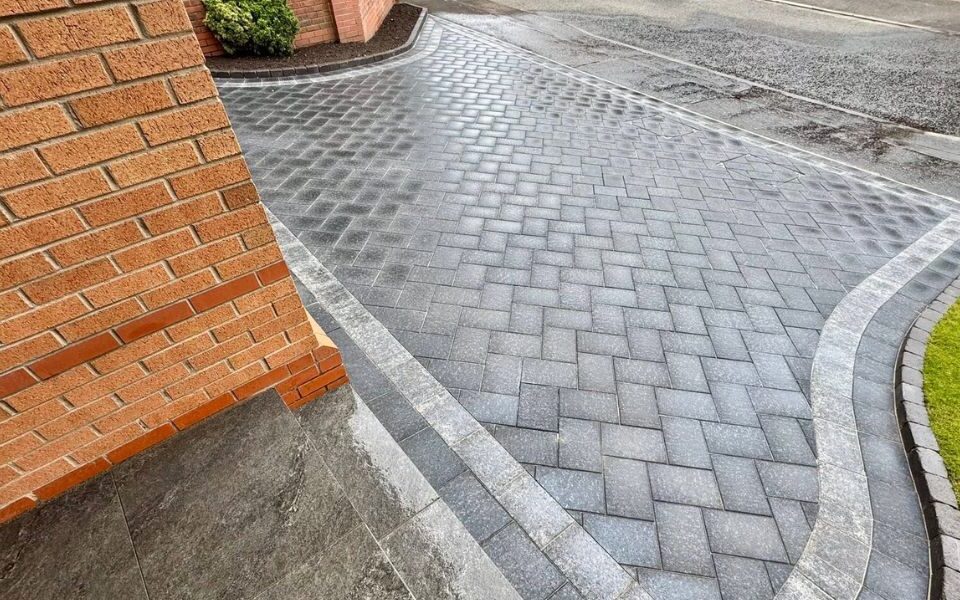
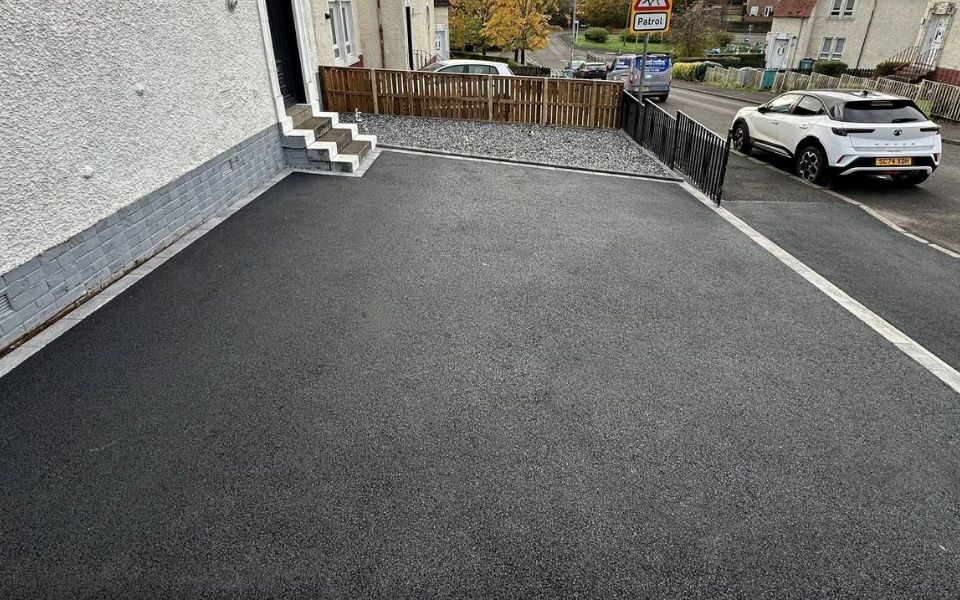
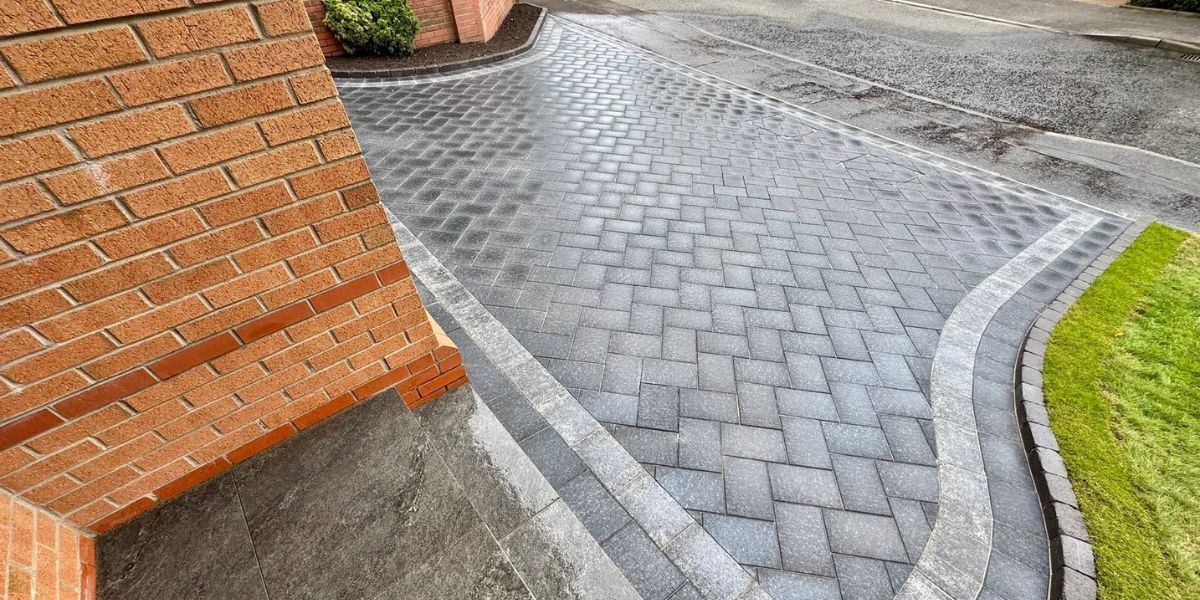
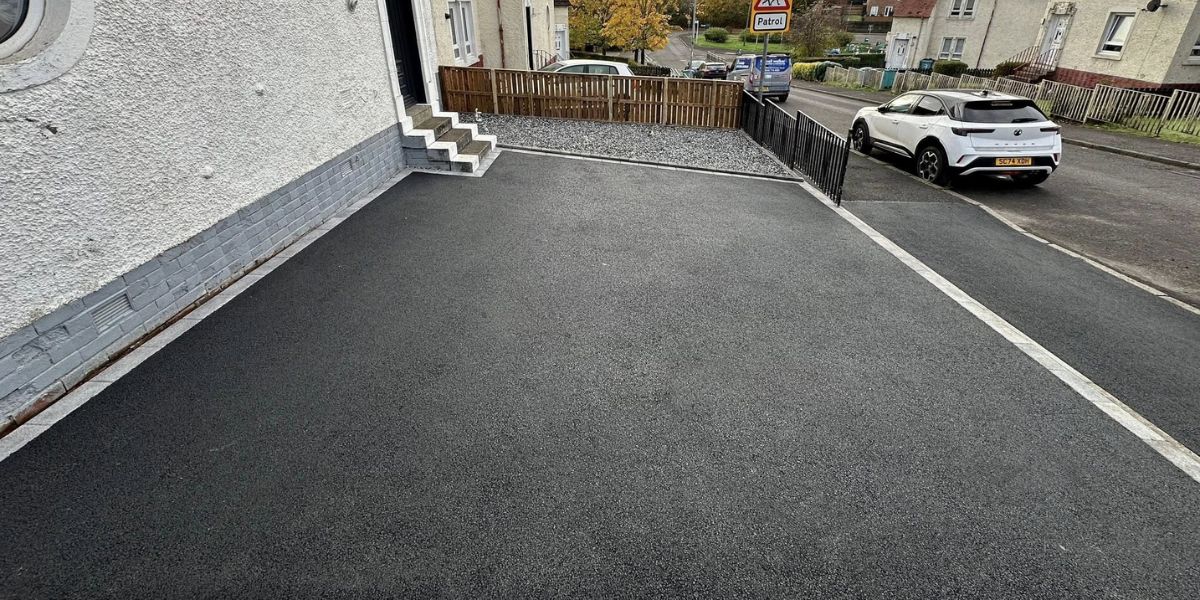
Monoblock paving offers a wide choice of colours, laying patterns and borders. Tarmac provides a simpler finish, which you can frame with contrasting edging.
Compare samples beside your house where possible. A colour that looks appealing in a brochure may look different next to your brickwork.
Comparing Driveway Materials at a Glance
| Surface | What may appeal to you | What to consider |
| Tarmac | A smooth finish and straightforward appearance | Fewer decorative options than block paving |
| Block paving | Choice of colours, patterns and borders, with individual blocks that can be replaced | Joints need appropriate maintenance |
| Gravel | A loose-stone finish that can complement traditional settings | Stones can move and need raking or topping up |
| Permeable block paving | A paved finish designed to let rainwater pass through the joints | It needs a suitable drainage design and supporting construction |
These comparisons can help you narrow your preferences. Your installer should then assess which options suit the property.
3. Are You Planning to Sell Soon?
If you plan to move within the next few years, think about what you want the work to achieve.
A tidy driveway with practical parking can improve the front of your home. However, spending more on a decorative finish does not guarantee a higher sale price.
Prioritise safe access, a finish that complements the house and a layout that makes sense. Consider whether a straightforward design would achieve what you need.
If you expect to stay for many years, give more weight to your own preferences and daily routine. The best driveway material should work for your household as well as look appealing.
4. How Much Maintenance Are You Willing to Do?
Every driveway needs some care. Ask yourself how much time and effort you want to spend keeping it tidy.
Tarmac needs sweeping, suitable cleaning and checks for developing damage. Block paving also needs attention to its joints. Conventional sand-jointed paving may need suitable replacement sand after cleaning.
Gravel needs raking and occasional topping up. Loose stones may also be less convenient for pushchairs, wheelchairs or wheeled bins.
Follow the manufacturer’s cleaning instructions for your chosen surface. Marshalls’ paving maintenance guidance explains why cleaning methods and joint maintenance matter.
Ask How the Driveway Will Handle Rainwater
Drainage should form part of the surface decision from the start.
Standard block paving and permeable block paving use different constructions. A permeable product needs an appropriate system beneath it to manage water.
Ask where rainwater will go and how the design will suit the ground, slope and surrounding property. Keep drainage channels clear as part of your maintenance routine.


5. What’s Your Long-Term Budget?
Start with the total installed cost. Removing the old driveway, preparing the ground, drainage and edging can all affect the price.
When comparing lower-cost driveway materials, check what each quote includes. A simple layout or less elaborate border may help you manage the budget while retaining the preparation your property needs.
Then consider maintenance and future repairs. With block paving, individual areas can often be lifted and relaid. Other surfaces may need a different repair approach.
If durability is your main priority, compare the factors that affect the longest lasting driveway materials. Installation, drainage and vehicle use all influence how well a driveway performs.
Need Help Choosing the Best Driveway Surface?
At Neil Walker Driveways, we help homeowners across Glasgow and surrounding areas find the right driveway surface for their needs, style and budget. With no upfront payments, a 5-year workmanship warranty and award-winning service, you’re in expert hands from the very first step.
We’ll guide you through every option, explain what’s best for your home, and make the whole process easy and stress-free.